Construction Learning Activity

Insulation Sort

Read about the four insulation options, then drag each material into the scale below — from least suitable on the left to most suitable on the right — for the scenario shown.

1 / 5
Scenario

Old house with damp issues

A 1900s solid-wall cottage has persistent damp problems. The owner wants to improve thermal comfort without trapping moisture inside the walls.

Least suitableMost suitable
1st
Drop here
2nd
Drop here
3rd
Drop here
4th
Drop here

Material library

Drag a card into the scale above
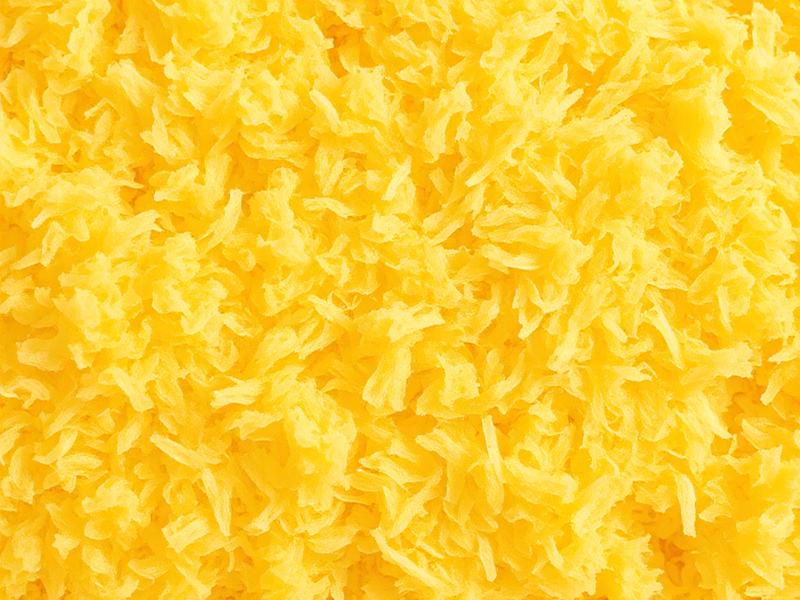
Mineral Wool

Mineral Wool

Workhorse mineral fibre

Made from non-renewable minerals, energy intensive production, not biodegradable, may cause skin or respiratory irritation during handling.

Cost
Low — around £3–£13 / m² for rolls and batts
R-value
Good — thermal conductivity λ ≈ 0.034–0.040 W/m·K
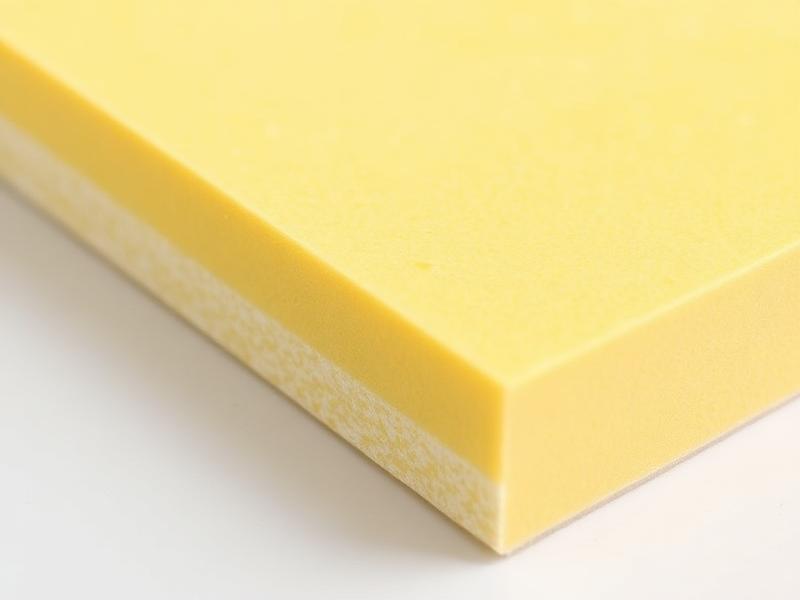
Polyurethane Boards

Polyurethane Boards

High-performance rigid foam

High insulation performance but not easily recycled or renewable. Made from fossil fuels and can release chemicals during production and disposal. Chemicals in manufacturing may affect environment and health of building users due to off-gassing and VOCs.

Cost
Medium — around £13–£25 / m² for rigid boards
R-value
Excellent — λ ≈ 0.022–0.028 W/m·K (best in class)
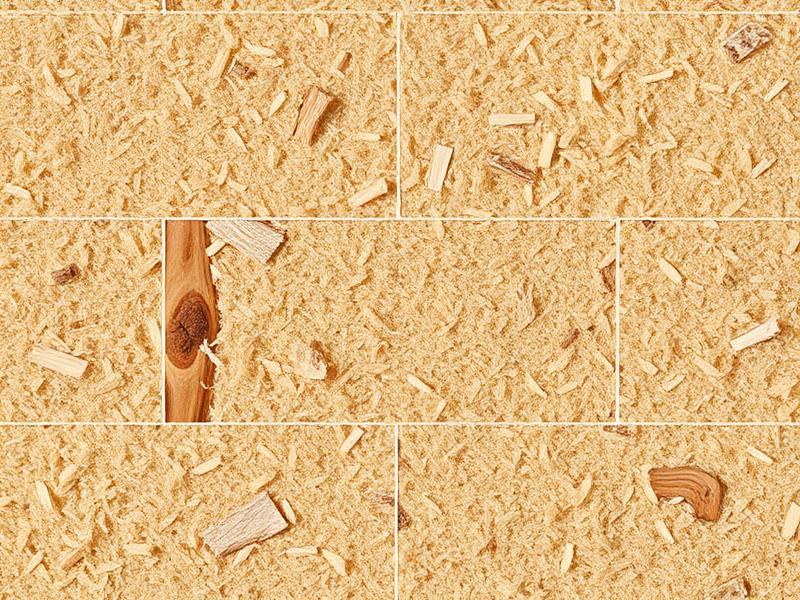
Wood Fibre Panels

Wood Fibre Panels

Renewable timber by-product

Made from renewable sources, biodegradable, and doesn't release harmful chemicals. Excellent moisture control and breathability.

Cost
High — around £25–£40 / m² for rigid boards
R-value
Moderate — λ ≈ 0.038–0.045 W/m·K, with high thermal mass
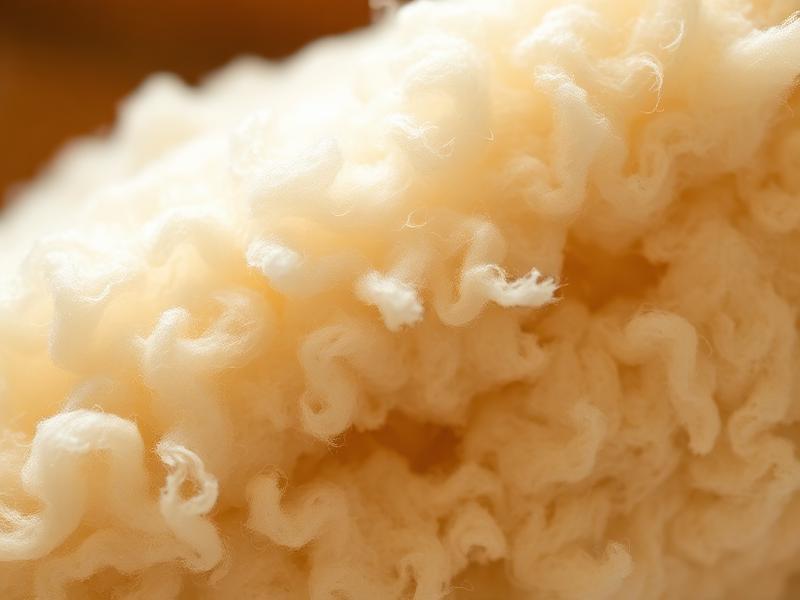
Sheep's Wool

Sheep's Wool

Natural moisture buffer

Renewable and biodegradable, low embodied energy, safe for health, but may require chemical treatment to prevent pests. Excellent at dealing with moisture issues.

Cost
Medium–High — around £17–£25 / m² for batts
R-value
Good — λ ≈ 0.035–0.040 W/m·K, very stable when damp

Place every material onto the scale to enable Complete.